When Simpler Traditions Still Find Their Way Back
This time of year has a way of bringing certain memories back.
For me, a small but important memory from the holidays is the catalogs, and it’s one I wouldn’t have if they hadn’t shown up at the house. Before the internet, before everything lived on a screen, those catalogs felt innocent and fun. It started with the Sears catalog. Sitting on the floor, folding pages, grabbing markers, writing my initials next to toys and Christmas wishes. It was simple, personal, and part of what kicked off the holiday season.
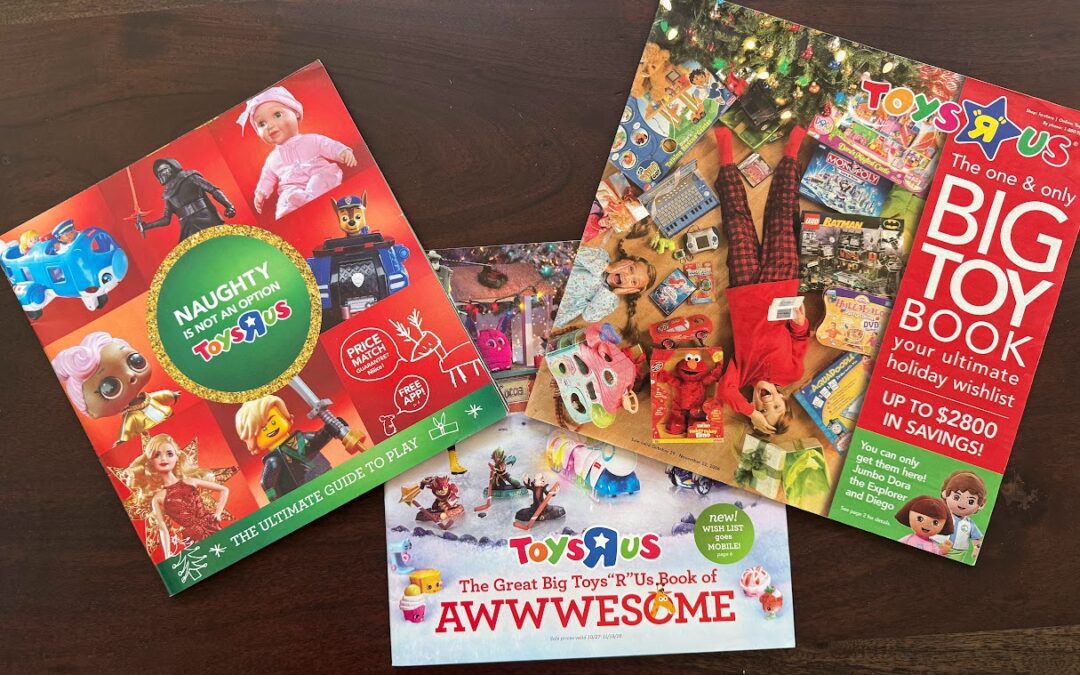
Then came Toys R Us. Their catalogs and stores carried that same excitement forward. Walking the aisles, flipping through pages, letting imagination do the work. I’m grateful my Gen Z kids actually got to experience Toys R Us too, the catalogs, the stores, the tradition. Those moments shape memories in ways screens never fully replace.
A Reminder of Human Interaction in an AI-Driven World
Seeing catalogs show up again now feels symbolic. Not because they’re necessary, but because of what they represent.
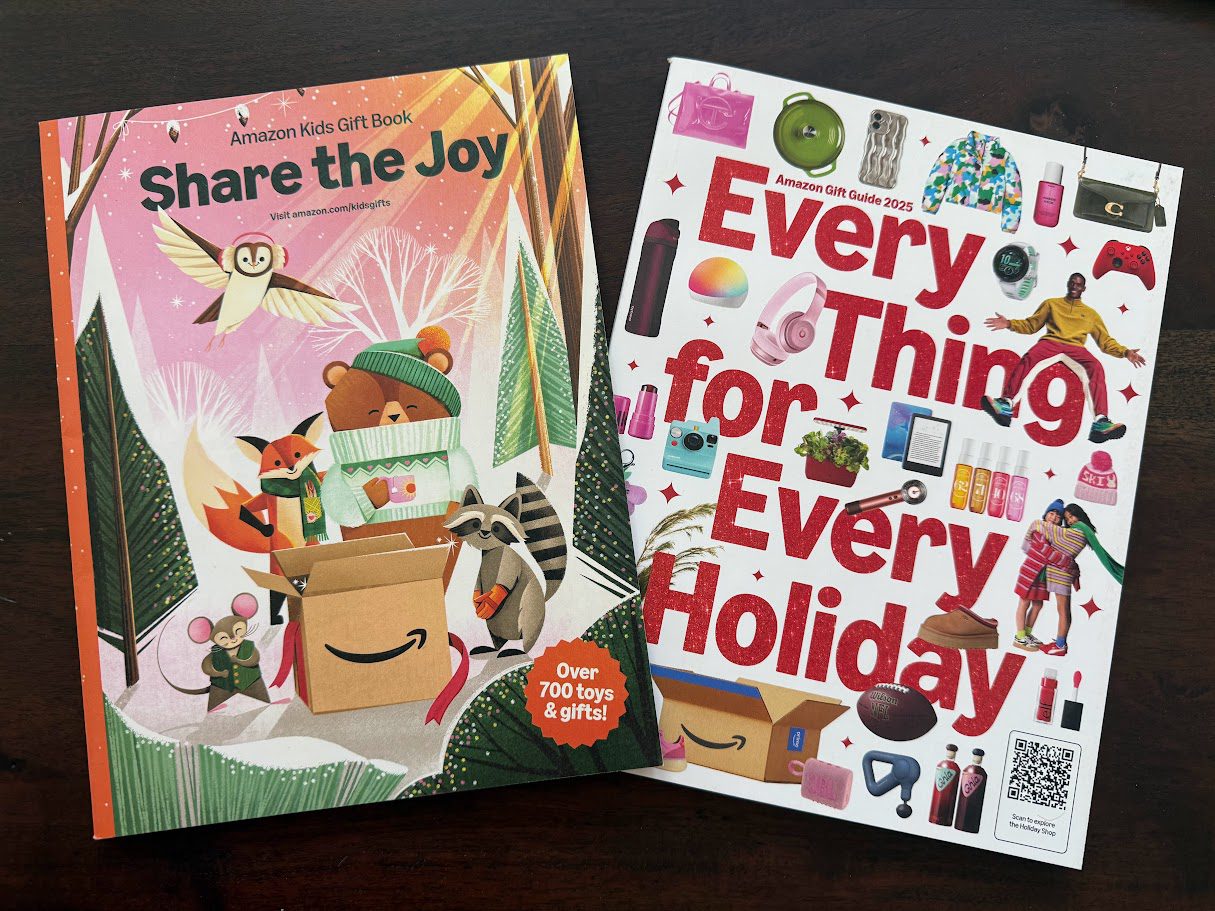
Amazon, the company that helped accelerate the decline of brick-and-mortar retail (with plenty of help from those stores themselves), is the one bringing catalogs back. The most digitally driven retailer is leaning into a very human, very traditional experience.
That’s what made me think about human interaction in an AI-driven world.
What we’re entering now isn’t just another shift. It’s not like ATMs changing banking, and it’s bigger than the rise of the internet. AI is transformational, powerful, and incredibly useful. This isn’t about pushing back against it. I use it. I believe in it.
But just like during COVID, it’s likely people will distance themselves more at first. Screens will replace even more face-to-face interaction. Some people may feel more comfortable interacting with AI than with other humans, and many won’t fully understand the emotional impact of that shift right away.
Humans weren’t meant to live disconnected lives, even if technology makes it easier.
Why It Always Comes Back Around
History shows us that after periods of acceleration and distance, there’s a resurgence. People start craving empathy, presence, and experiences that feel real again. Customer service evolves. Brick-and-mortar adapts. Human interaction doesn’t disappear, it returns, shaped by the world that changed around it.
Just like those holiday catalogs.
This season was simply the reminder.